
Visit the Grands Causses Regional Natural Park
Set out to discover the Grands Causses
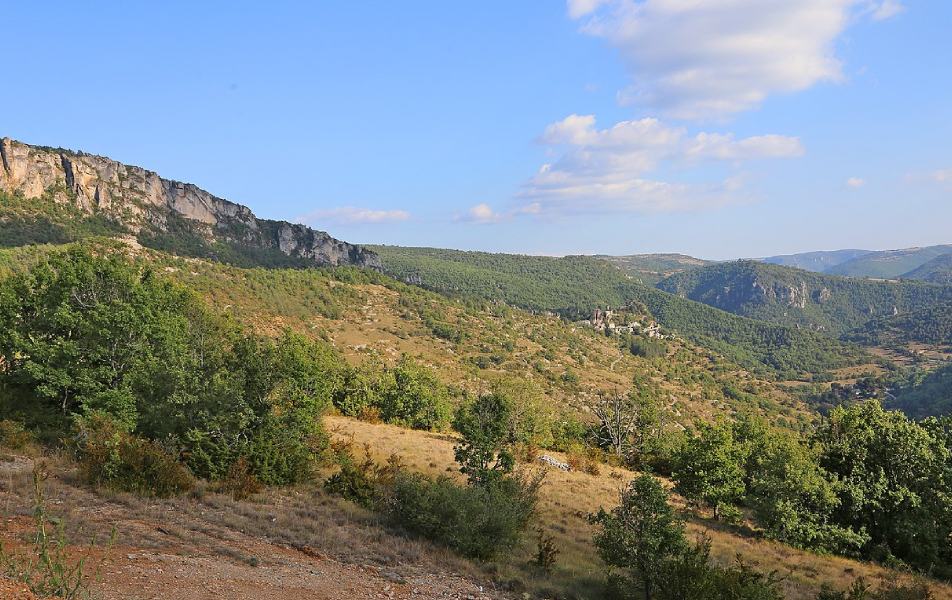
Created in 1995, the Grands Causses Regional Natural Park, in the south of Aveyron in the Occitanie region, encompasses 94 towns and villages. It is home to over 1,500 plant species, including numerous orchids, and an incredibly diverse fauna. In addition, it boasts a rich heritage consisting notably of historical buildings, Neolithic dolmens over 7,000 years old, and the famous Millau Viaduct.
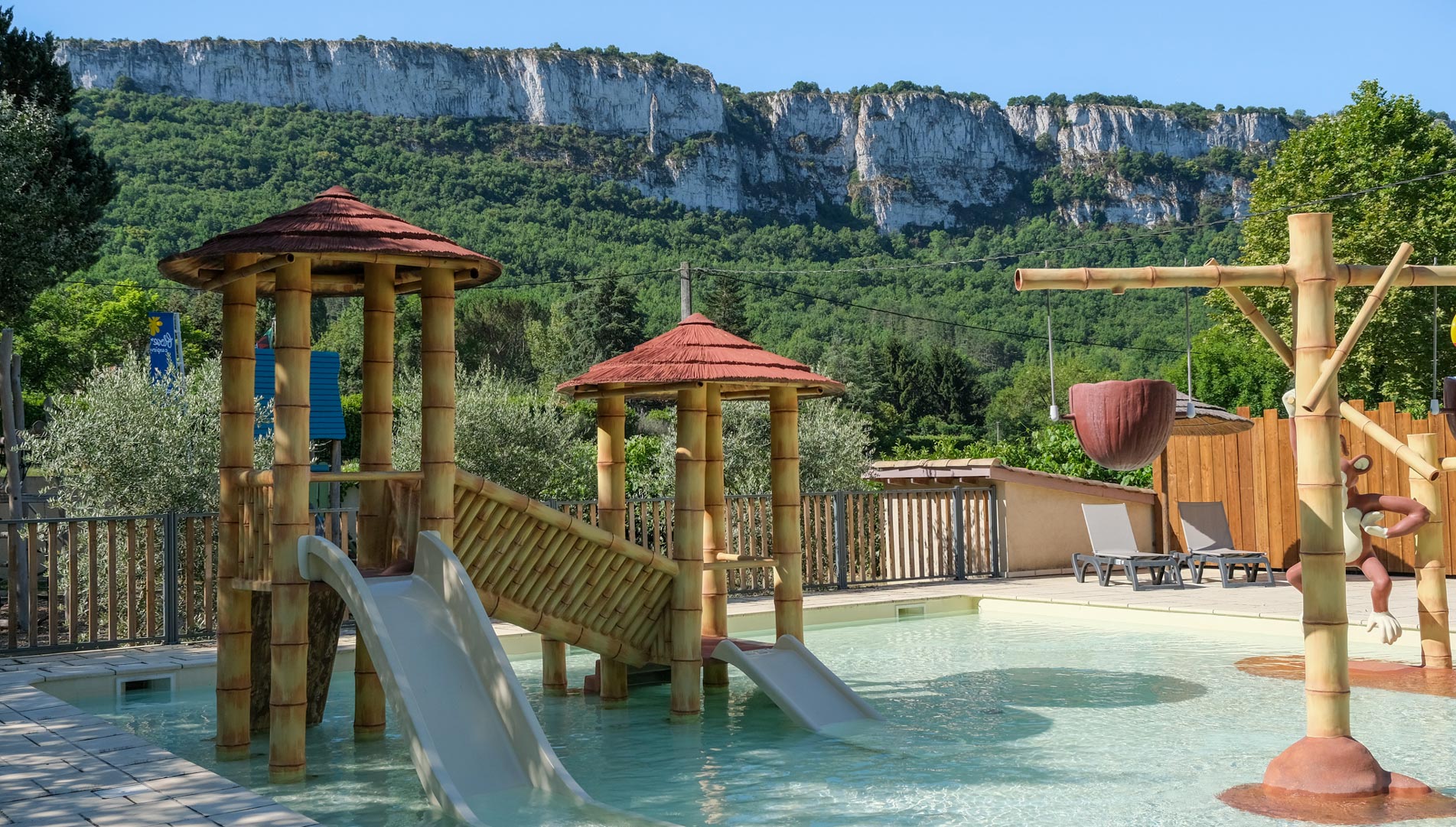
The region offers numerous star-rated campsites such as Camping Gorges de l’Aveyron located in Aveyron, from where you can easily access the Gorges de l’Aveyron or venture into the Causses.
Discover the heritage of the Grands Causses
The Grands Causses Regional Natural Park holds spectacular treasures. A rich biodiversity of flora and fauna, a unique culture and know-how, a heritage comprising exceptional monuments and sites such as castles, churches, caves, dolmens, and menhirs. All these wonders invite discovery.
The historical sites of the natural park
The Grands Causses Regional Natural Park is home to various sites, each with its own architectural characteristics.
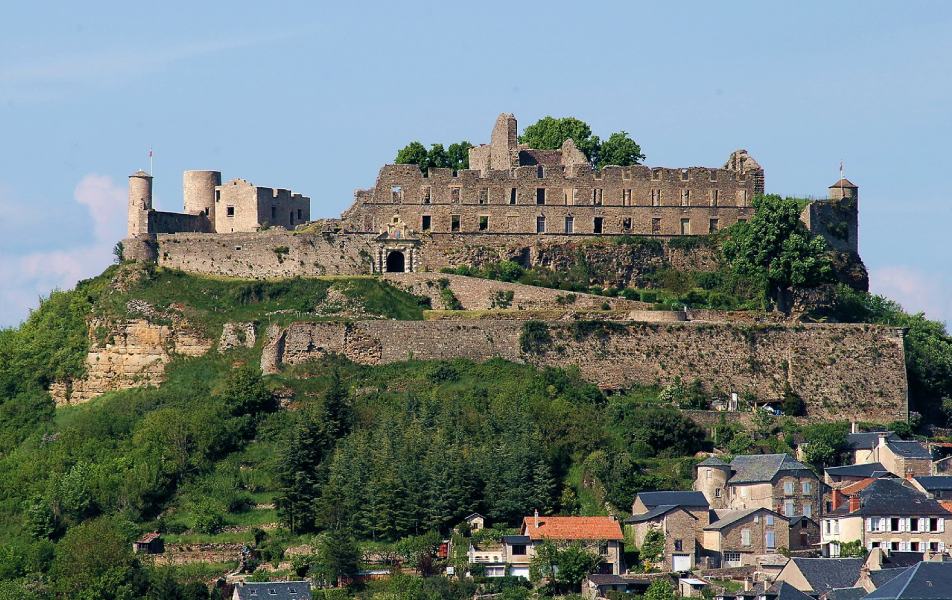
Among its many castles, be sure to discover the medieval one: Château de Séverac. From its height of 800 meters, enjoy a panoramic view overlooking the Aveyron Valley and the Grands Causses.
Religious heritage such as churches, chapels, and crosses of the Grands Causses bear witness to this territory’s rich past. Visit Saint-Martin church in La Capelle, classified as a historic monument. Appreciate the various styles of the churches of La Piguière, Hures-la-Parade, Saint-Pierre-les-Tripiers, and the moving Croix du Buffre which has stood proudly for 800 years on the Causse Méjean.
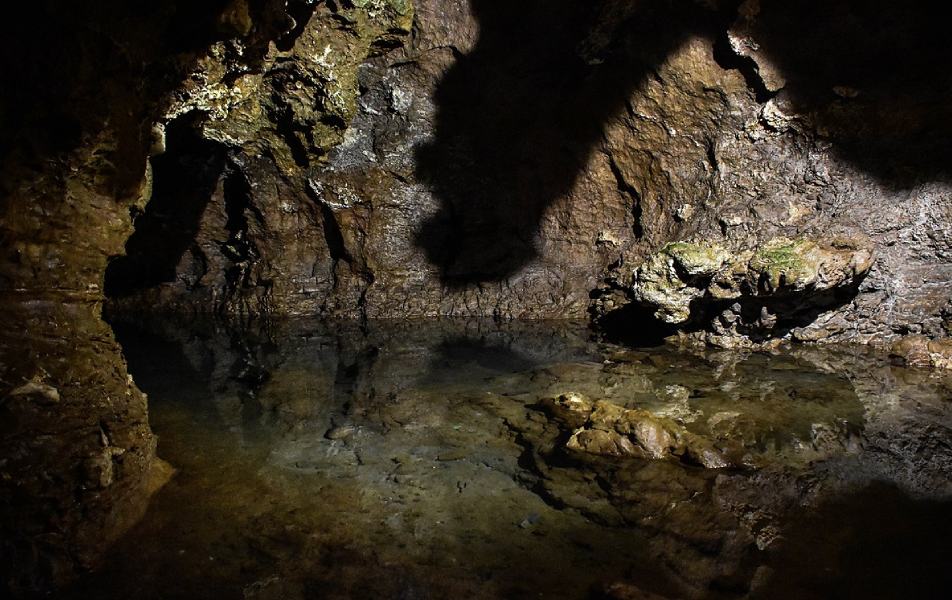
Shaped by water in the bowels of the Earth, caves and potholes have formed true masterpieces of nature. Some have been developed for visitors, such as Aven Armand, Grotte de Dargilan, or Abîme de Bramabiau. They hold many surprises as you explore.
Civilizations have succeeded one another and left behind hundreds of mysterious and emblematic monuments such as menhirs and dolmens. These burial sites and pagan ceremonial places will move you. The balms of the Grands Causses are particularly known as habitats of the Chasséen civilization.
Know-how and traditions
Set out to discover ancestral know-how and traditions perpetuated since the dawn of time in the Grands Causses. Agropastoralism or sheep farming has long been practiced by its inhabitants. Splendid stone-roofed farms bear witness to this. Visit the Ferme Caussenarde d’Autrefois, an ecomuseum located in Causse Méjean, which details this particular way of life.
To survive despite the harsh living conditions on the Grands Causses, people used ingenuity by building mills on the Causse de Méjean in the 17th and 18th centuries. Discover the famous Borie windmill, fully restored, to learn about the miller’s craft.
The fauna and flora of the Grands Causses
The exceptional nature of the fauna and flora of the Grands Causses will surprise you. On the one hand, its wildlife allows you to admire vultures and kites nesting in the Gorges de la Jonte and Tarn. The Grands Causses are also havens of peace for Przewalski’s horses and sheep.
Regarding the flora, fields of poppies, meadow clary, and other field plants characterize spring. Admire the Cardabelle thistle, which captures sunlight by opening up, then protects itself from moisture by closing. You will also find the pasque flower in large numbers, recognizable by its dark purple petals and golden-yellow center.
What to do in the Grands Causses?
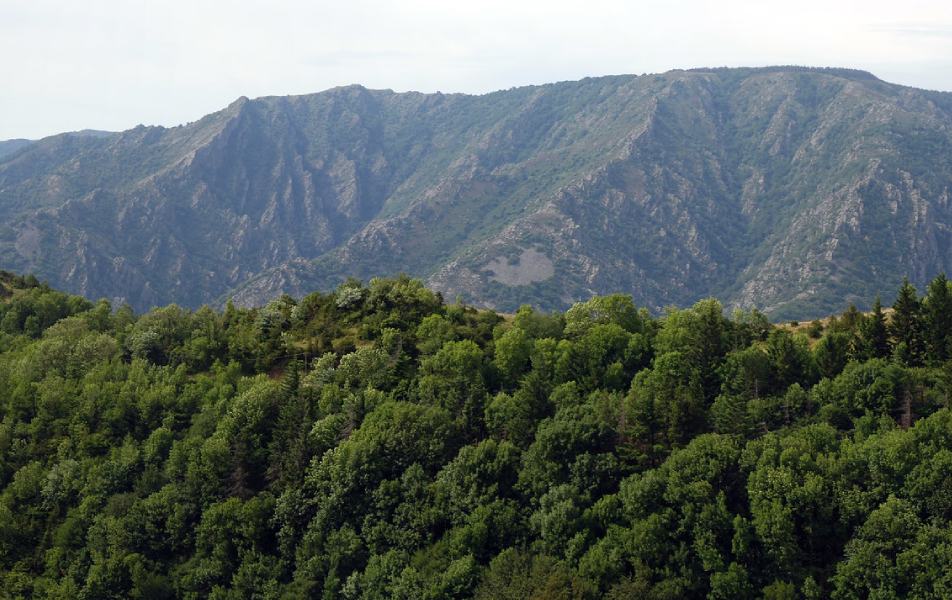
The Grands Causses reserve is the third largest natural park in France. Young and old alike will discover this breathtaking landscape dotted with rivers, steep cliffs, and trails dedicated to sports.
Enjoy a tandem paragliding flight, caving exploration, climbing, or descending the gorges via canyoning.
You can also choose swimming, fishing, or family mountain biking and gravel biking. Try canoeing and kayaking, bungee jumping, or whitewater paddle boarding.
Experience the “Grands Causses Trail Area” and its 35 circuits. Wonderful playgrounds await your children, with professionals accompanying them for memorable sporting experiences.
It would be impossible for you not to trek through the Montagnettes du Rougier or the Corniches de la Jonte. The forests of the Monts de Lacaune and the Larzac moorlands are exceptional hiking sites.
The must-see villages of the natural park
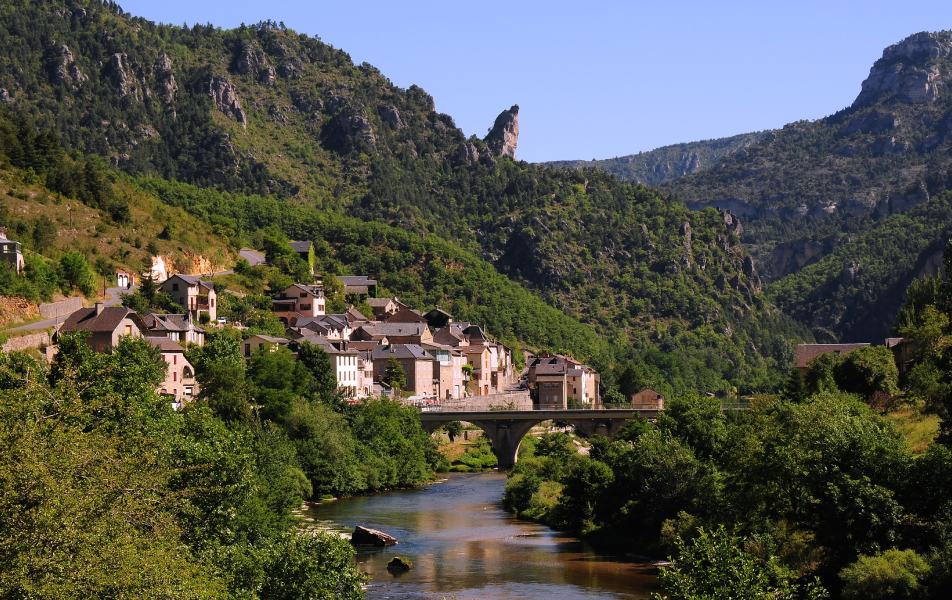
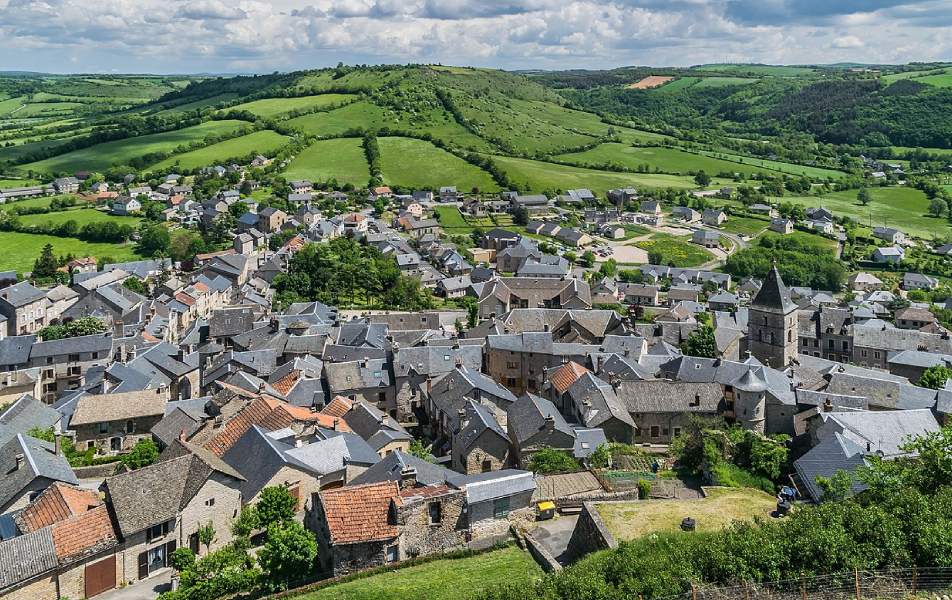
Come and meet the picturesque little villages that make the territory famous.
- The Causse de Sauveterre is a hospitable and less isolated place.
- Massegros, Saint-Rome de Dolan, Saint-Georges de Lévéjac, and Recoux are located in the west of the plateau. These villages have preserved their local character and traditions.
- The municipality of La Tieule and its hamlets welcome you about ten kilometers from La Canourgue. These villages promise a change of scenery and serenity.
- The village of La Capelle occupies the east of the Causse de Sauveterre. This living area is renowned for its beauty, with its heritage-listed church.
- The municipality of Laval du Tarn overlooks Château de la Caze and the Gorges du Tarn. A few millennial hamlets showcase the typical architecture of the Causse.
- Finally, visit the medieval village of Séverac-le-Château. This castle organizes numerous tours and activities during the summer period.